


By
Nze David N. Ugwu
From Militancy to Banditry: How Kidnap-for-Ransom Became a Booming Criminal Enterprise
Introduction — A Nation Held Hostage
Nigeria today is facing one of the most complex internal security threats in its history: the rise of an entrenched, sophisticated, and lucrative ransom economy. What began decades ago as a political agitation tool in the Niger Delta has metastasised into a nationwide criminal business model spanning the South East and now dominating the North West.
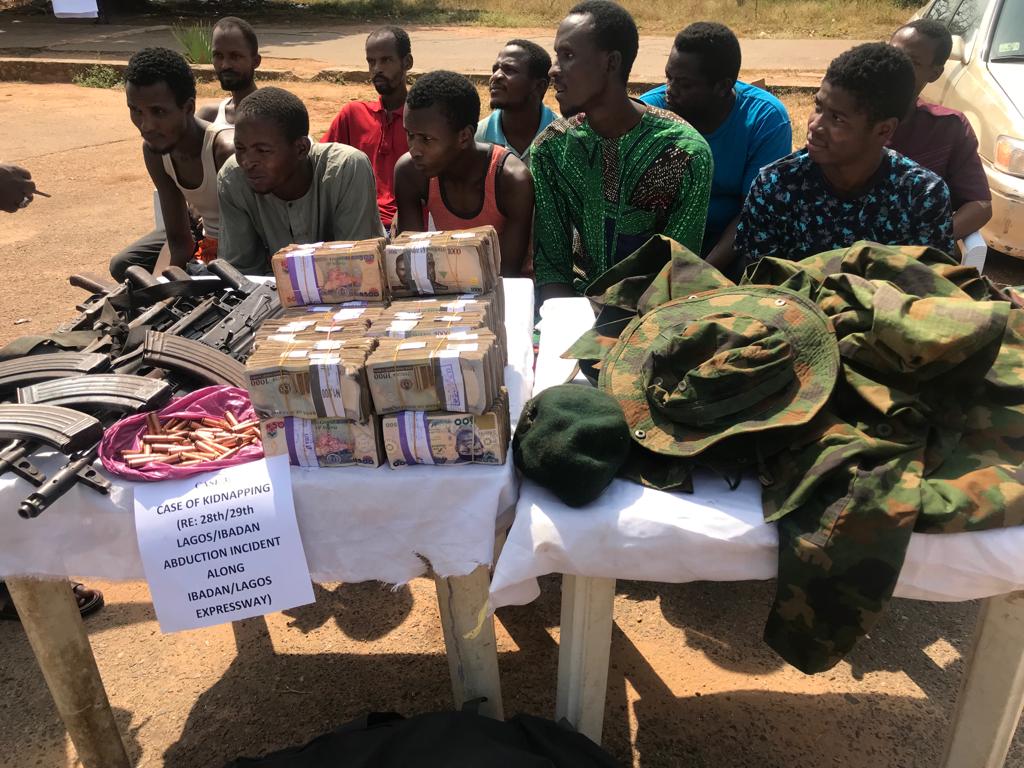
Kidnap-for-ransom, once an occasional criminal tactic, has evolved into a fully-fledged industry worth billions of naira annually. Bandit groups, insurgents, splinter militias, criminal networks, and even opportunistic gangs now rely on ransom payments as their primary revenue stream.
From schoolchildren abducted in the North West, to businessmen and commuters kidnapped on highways in the South East, to rural farmers seized in their homes in the Middle Belt—today, no part of the country is insulated from this menace.
But the roots of this crisis run deeper than today’s headlines. To understand why the ransom economy is flourishing, one must revisit its origins—where it began, how it expanded, and why it continues to thrive.
The Niger Delta Militants — The Origin of the Ransom Playbook
The modern Nigerian ransom economy can be traced to the militancy era of the early 2000s in the Niger Delta. While hostage-taking existed in some form earlier, militant groups pioneered the structured and monetized model of kidnapping that would later spread nationwide.
Why the Niger Delta Became the Training Ground
As oil exploitation intensified, local communities suffered environmental devastation, unemployment, and political neglect. Militancy emerged as a direct response to this marginalization—and ransom became a strategic tool.
How Militants Perfected the Business
Niger Delta militant groups began abducting:
- Foreign oil workers
- Local government officials
- Oil industry contractors
- Politicians and political aides
Ransom payments—sometimes running into millions of dollars—flowed in routinely. In exchange for hostages, militants secured cash, weapons, boats, and political concessions.
Crucially, the state often negotiated. Payments were made quietly. Brokers emerged. Criminal intermediaries became wealthy. A template was set.
The Amnesty Program: Solving One Problem, Creating Another
The 2009 Amnesty Program brought relative peace, but it left behind:
- An armed population
- Multiple factions seeking alternative income
- A network of local negotiators familiar with ransom settlement
- A precedent that violence could produce reward
While the amnesty reduced attacks on oil infrastructure, the ransom model survived, adapted, and spread beyond the creeks.
The South East — From Militancy Spillover to a Full Criminal Enterprise
By the 2010s, the ransom economy migrated to the South East, taking on a new character. Unlike the political undertone of Niger Delta militant kidnappings, the South East model became:
- Highly commercial
- More indiscriminate
- Less ideological
- Driven by local gangs and criminal cartels
- Spread into rural and suburban communities
Why the South East Became Ground Zero
Four key factors made the region vulnerable:
- High population density, offering a broad market of potential victims
- Weak policing, exacerbated by disbanded vigilante structures
- An abundance of small arms moving from conflict zones
- Economic pressures, especially youth unemployment
Criminals realized that kidnapping businessmen, traders, and returnees from abroad (“Ndi-Oma” coming home for holidays) yielded quick, large ransoms.
The Devastating Impact
The South East witnessed:
- Families selling lands and properties to save loved ones
- Entire communities fleeing rural areas
- A collapse in evening commercial activities
- Drastic reduction of nightlife in cities like Owerri and Aba
- Mass exodus of investors
- Fear that permeated public life
For many residents, kidnapping became more feared than armed robbery, cult violence, or political thuggery. The criminal economy fed itself—ransom money funded more weapons, and weapons sustained more kidnappings.
But even this devastation paled compared to what was to come in the North West.
The North West — Banditry Rising as a Mega-Industry
If Niger Delta militants created the model, and the South East refined it, the North West industrialized it.
From 2018 onward, states like Zamfara, Katsina, Kaduna, Sokoto, and Kebbi experienced a frightening explosion of bandit activity. These bandits were not ideologically motivated; they were businessmen of violence.
Why the North West Became the Ransom Capital
Several interconnected factors fueled the surge:
- Massive ungoverned forest areas (Rugu Forest, Kamuku, Birnin Gwari axis)
- Weak rural policing and poor intelligence capabilities
- Armed pastoralist conflicts spilling over into criminality
- Illicit arms proliferation from Libya and Sahel wars
- Deep poverty and youth idleness
- Local collaboration and informant networks
Bandits realized that kidnapping hundreds of schoolchildren at once generated guaranteed ransom payments, often through government-backed negotiations.
School Abductions: A New Business Model
The kidnapping of schoolchildren in Kankara, Jangebe, Tegina, and Kuriga demonstrated a grim calculation:
- High emotional impact
- Quick government reaction
- Media pressure
- Community desperation
Ransom became predictable income. Some bandit groups were making hundreds of millions yearly.
The Ransom Industry Ecosystem
Today, the North West ransom chain includes:
- Informants
- Motorcycle logistics providers
- Arms suppliers
- Negotiators
- Middlemen
- Safe-house owners
- Market sellers providing food to camps
- Cash couriers
- Local politicians seeking influence
It is not just criminality—it is a parallel economy.
National Consequences — And the Way Forward
Nigeria is now trapped in a cycle where the ransom economy threatens:
- National security
- Interstate commerce
- Citizen mobility
- Foreign investment
- Agricultural productivity
- Education
- Tourism and nightlife
- Public trust in the state
Security Forces Overwhelmed
The Nigerian Police, Military, and DSS face:
- Terrain challenges
- Insufficient manpower
- Poor equipment
- Corruption and infiltration
- Failure of local intelligence systems
Economic Implications
The financial impact is staggering:
- Farmers abandoned farmlands → food inflation
- Businesses relocated → unemployment
- Transporters avoid highways → rising transport costs
- Diaspora Nigerians fear travelling → reduced local spending
Ransom payments drain family savings, deplete local investments, and fund the continuation of crime.
How to Disrupt the Ransom Economy
- Zero-tolerance ransom legislation (with enforcement, not just theory)
- Robust community intelligence networks
- State police with accountability mechanisms
- Use of technology—drones, CCTV, geo-tracking
- Cutting off weapons supply chains
- Developing economic alternatives for vulnerable youths
- Strengthening border security
- Negotiating from a position of strength, not weakness
- Criminal prosecution of informant networks
- Decentralized security commands
Conclusion — A Nation at a Crossroads
The ransom economy in Nigeria did not appear overnight. It grew from a series of political compromises, security failures, economic hardships, and the dangerous precedent that violence pays.
From the creeks of the Niger Delta, to the markets of the South East, to the forests of the North West, kidnapping has become a national cancer.
Nigeria now stands at a crossroads: Either the ransom economy is dismantled, or it will continue to dismantle the nation. The lessons are clear. The costs are unbearable. The time to act is now.
Nze David N. Ugwu is the Managing Consultant of Knowledge Research Consult. He could be reached at [email protected] or +2348037269333.

