

Ogu Eberechukwu Emmanuel: Building Stronger Communities Through Faith, Compassion And Humanitarian Service
In every generation, there are individuals who choose a path defined not by personal gain, but by service to humanity. They work quietly, often away from public attention, restoring hope where it has diminished and extending compassion to those who need it most. Ogu Eberechukwu Emmanuel represents this tradition of humanitarian service. As a Charity Field Worker, he has devoted his time, skills and energy to supporting vulnerable communities through faith-driven outreach, grassroots engagement and sustainable community development initiatives.
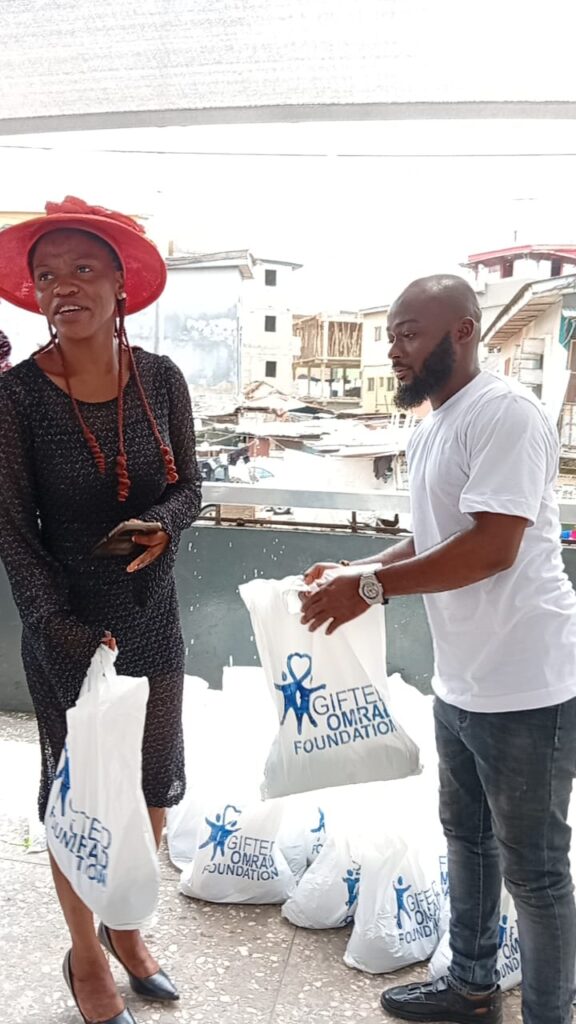
At a time when economic hardship, food insecurity and social inequalities continue to affect millions of Nigerians, the role of humanitarian workers has become increasingly significant. Beyond responding to immediate needs, they serve as bridges between communities, charitable institutions and development partners, ensuring that assistance reaches those for whom it is intended with dignity, accountability and compassion. Emmanuel has embraced this responsibility with a deep sense of purpose, believing that genuine service is measured not by recognition, but by the positive and lasting impact it leaves on people’s lives.
His work has been shaped by active engagement with faith-based organisations and community-driven humanitarian initiatives that seek to improve the welfare of disadvantaged populations.
Throughout his journey, Emmanuel has collaborated with internationally recognised Christian humanitarian organisations such as The Salvation Army and Skele Food Bank, while also contributing to charitable programmes implemented through Celestial Church of Christ (CCC) dioceses, parish welfare committees, youth organisations, women’s ministries and community development arms. These partnerships have enabled him to participate in initiatives that address hunger, poverty, youth development, family welfare, community empowerment and social inclusion.
Working directly within communities has provided Emmanuel with firsthand insight into the realities confronting widows, orphaned children, senior citizens, persons living with disabilities and economically disadvantaged households. Through community needs assessments, beneficiary engagement, volunteer coordination, outreach planning and programme implementation, he has supported interventions designed to restore hope while promoting long-term resilience.
His commitment extends beyond the delivery of relief materials. Emmanuel believes that effective humanitarian work requires listening to communities, understanding their priorities and developing sustainable responses that empower people rather than create dependency. This philosophy has guided his involvement in food distribution programmes, educational support initiatives, community welfare projects, youth engagement activities and faith-inspired outreach aimed at strengthening families and encouraging self-reliance.
For Emmanuel, faith and humanitarian service are inseparable. He sees religious institutions as vital partners in national development, not only because of their spiritual influence but also because of their capacity to mobilise volunteers, provide social support and respond swiftly to community needs. Through collaborations with church-based welfare structures and community outreach platforms, he has witnessed how faith-inspired service can foster unity, restore dignity and inspire collective action toward the common good.
Colleagues and community leaders describe Emmanuel as disciplined, approachable and deeply committed to ethical service. His strengths lie in community mobilisation, stakeholder engagement, volunteer management, project support and relationship building. Whether coordinating outreach activities, supporting humanitarian logistics or engaging beneficiaries in the field, he approaches every assignment with professionalism, empathy and respect for human dignity.
His work also reflects a broader understanding of sustainable development. Emmanuel recognises that humanitarian assistance is most effective when combined with initiatives that promote education, skills development, health awareness, youth mentorship and economic empowerment. Consequently, he continues to advocate for programmes that equip individuals and communities with the tools needed to improve their own lives while contributing meaningfully to society.
As humanitarian challenges continue to evolve across Nigeria, Emmanuel believes that stronger partnerships between government institutions, faith-based organisations, civil society groups and development agencies are essential for achieving lasting social progress. He remains committed to strengthening these partnerships through collaborative action, innovation and community participation.
Those who have worked alongside him speak of a professional who values integrity above convenience, service above recognition and people above personal ambition. His leadership style is characterised by humility, accountability and a genuine willingness to serve wherever the need is greatest. These qualities have enabled him to earn the trust of colleagues, volunteers and community stakeholders across the humanitarian landscape.
Looking ahead, Ogu Eberechukwu Emmanuel envisions a society where compassion is not confined to moments of crisis but becomes a shared responsibility embraced by individuals, institutions and communities alike. He hopes to continue expanding his contribution to humanitarian response, community development and social welfare through strategic partnerships that improve lives and strengthen local resilience.
In a world often defined by uncertainty and growing humanitarian needs, the work of dedicated field practitioners serves as a reminder that meaningful change frequently begins with ordinary people choosing to make an extraordinary difference. Through steadfast commitment, faith-inspired service and an unwavering concern for the wellbeing of others, Ogu Eberechukwu Emmanuel continues to demonstrate that compassion, when translated into action, remains one of society’s most powerful forces for transformation.

